


Itea
Discover Itea at Proven Winners®! This plant flowers in early summer with graceful, fragrant white flowers and takes on beautiful leaf colours in autumn. A hardy plant that thrives in the shade.
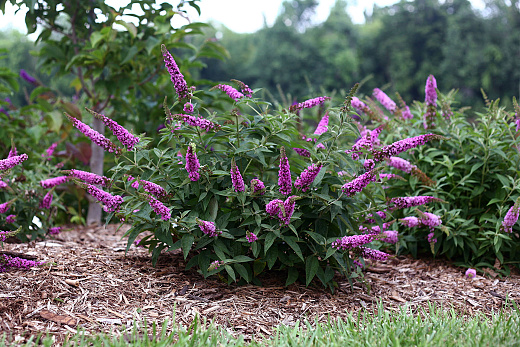
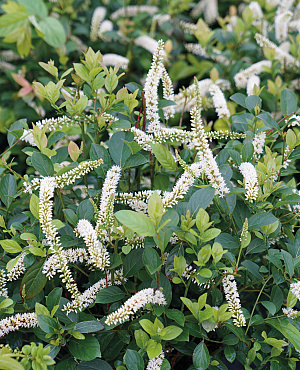
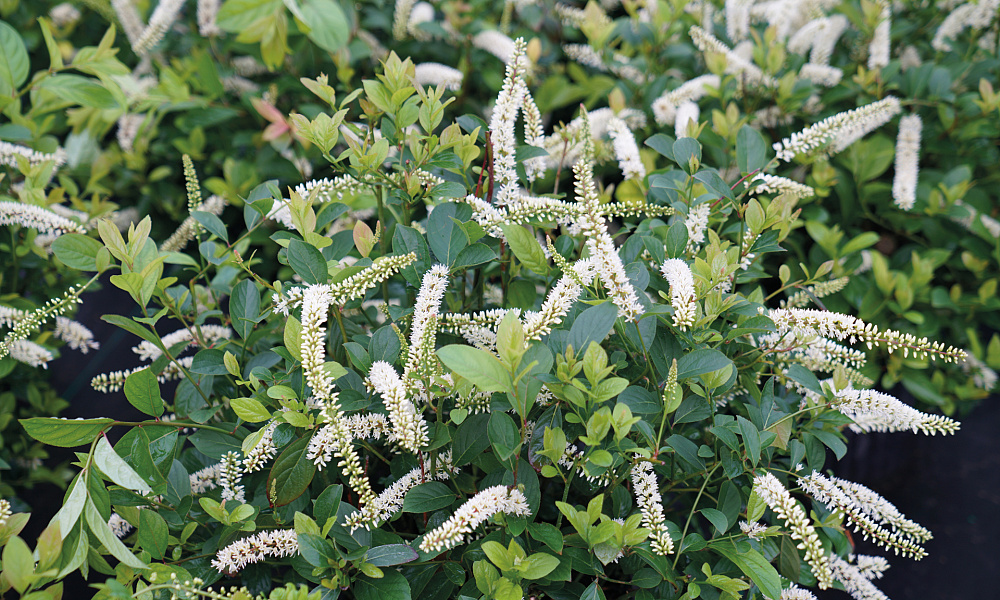
Itea (flowering willow): fragrance, flowers and autumn splendour in one
Itea, also known as flower willow, is a deciduous shrub that will put your garden in the spotlight for months. From early to mid-summer, graceful, lightly scented white flower spikes appear. When flowering is over, Itea remains attractive: in autumn, the foliage turns warm shades of red, orange and even purple.
How Itea blooms and enriches your garden
The power of Itea lies in the combination of fragrant flowers and autumn colours. The plant has glossy leaves and in June and July, spikes full of white flowers appear, which are often attractive to pollinators. In autumn, the leaves turn warm orange shades and the shrub treats you to a beautiful autumn palette.
The Scentlove® selection from Proven Winners® is known for its reliability, improved hardiness and elegant growth habit. It remains more compact than classic forms, making it ideal for borders, smaller gardens or even as an accent in mixed plantings. The plant is also very shade tolerant and thrives in moist conditions!
The right spot for Itea
Itea thrives in full sun, partial shade and shade. In a spot with at least 4 hours of direct sun, it will flower more profusely and develop more pronounced autumn colours. The soil must be well-drained and preferably rich in humus. Itea is fairly tolerant of all conditions, but thrives best in moist soil. When planting, you can mix the soil with compost so that the roots can take hold properly. Even though it can withstand moist conditions, once established it is quite resistant to drier periods.
Hardly any maintenance
Itea is easy to maintain. The most important moment is pruning immediately after flowering: this keeps the plant in shape and stimulates the next flowering. Remove old or weakened branches to keep the shrub healthy. In spring, a light application of compost can support growth.
Applications in the garden
Itea is stylishly versatile:
• As a solitary plant in the border, it creates an elegant eye-catcher during flowering.
• In groups in a border, it combines beautifully with perennials or other shrubs.
• In partial shade and moist conditions, it performs well, unlike many other plants.
• In smaller gardens, the compact Scentlove® variety is well suited as an accent or in mixed planting.
Itea in your garden?
Itea is an all-rounder: fragrant flower clusters in summer, beautiful foliage colour in autumn, and low maintenance. The Scentlove® selection from Proven Winners® adds compact growth, reliability and hardiness. This means you can enjoy a shrub that will charm your garden for months on end, without having to worry about it too much.
FAQ
When does Itea bloom?
Itea usually blooms in June and July with elegant, white flower clusters that also smell wonderful. This bloom gives the garden a fresh and summery look.
How big does Itea Scentlove® grow?
The Proven Winners® selection Itea Scentlove® remains relatively compact. The shrub grows to a height of approximately 90 cm and a width of 120 cm, making it ideal for smaller gardens, borders and even mixed plantings.
Can Itea grow in the shade?
Yes, Itea also grows in the shade. Flowering usually continues well in the shade, although it is often richer and more vigorous in a sunny spot (at least 4 hours of direct sun).
How do I prune Itea?
Regular pruning is not recommended, as the plant remains naturally beautiful and requires little care. If you do want to prune the plant, it is best to do so after it has finished flowering.
Is Itea hardy?
Yes, Itea is very hardy and resistant to our European climate. The degree of hardiness can vary depending on location, but Proven Winners® selections such as Scentlove® have been developed to remain reliable and strong, even in cold winters.