


Loropetalum
Discover the Loropetalum collection from Proven Winners®! These evergreen shrubs have striking green or purple leaves and attractive fringed flowers. A real mood enhancer that flowers profusely and is suitable for both gardens and pots.
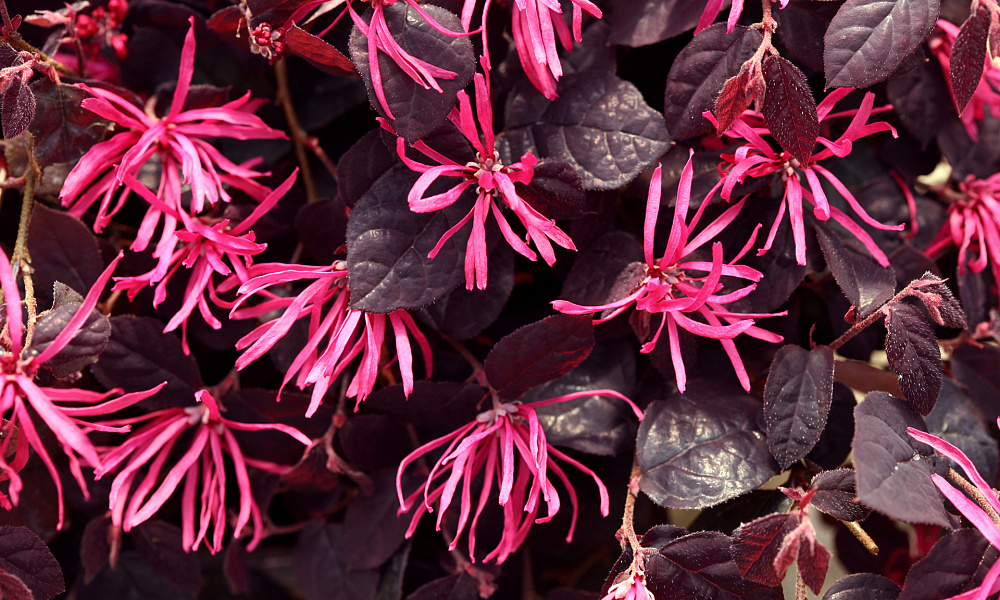
Loropetalum (fringe flower): colour and elegance all year round
When you choose Loropetalum, you are bringing home a shrub that always has something to offer. This evergreen beauty combines colourful foliage with striking spring flowers. The foliage varies from fresh green to deep purple and even variegated, and in spring unique fringed flowers appear in white, pink or red. The Proven Winners® range includes the Jazz Hands® series: compact, healthy plants with distinctive colours.
A shrub that surprises with both foliage and flowers
Loropetalum is no ordinary shrub. It remains green all year round and surprises with spectacular foliage colours. In spring, it opens its unusual flowers, which resemble fringes that burst from the branches like tiny fireworks. This makes Loropetalum a unique plant alongside classic spring bloomers.
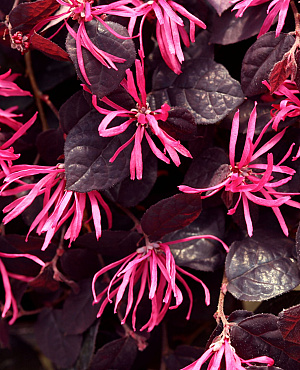
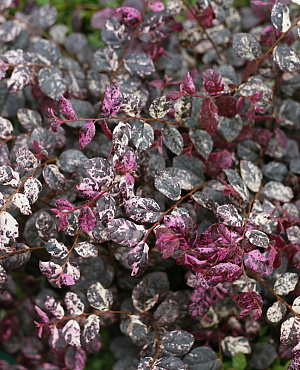
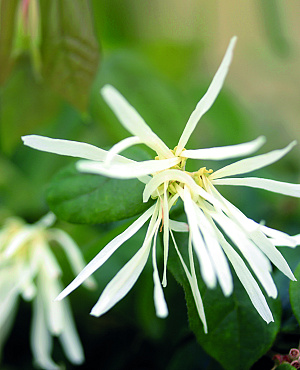
The Jazz Hands® varieties add extra impact. Jazz Hands® Pink shows off with dark purple foliage and pink flowers, Jazz Hands® Variegated combines variegated foliage with pink accents, and Jazz Hands® White contrasts emerald green foliage with pure white flowers. Together, they show how versatile this shrub can be.
Why Loropetalum is always a good choice
Many shrubs bloom briefly and then fade into the background. Loropetalum does the opposite: it provides structure, colour and appeal in all seasons. Its foliage brings life to the garden even in winter.
The Jazz Hands® series from Proven Winners® has also been selected for its reliable growth, healthy plants and compact shapes. This makes these varieties suitable for both small city gardens and generous borders.
Where does Loropetalum feel most at home?
Loropetalum likes a location in the sun to light partial shade. Well-drained, slightly acidic soil gives the best results. It comes into its own in sheltered spots; cold winds are best avoided. When planting, some compost helps the roots to get off to a good start. Although Loropetalum can tolerate drier conditions once established, they flower best and the flowers remain beautiful for the longest time if they are watered regularly.
How to keep Loropetalum in top condition
Loropetalum is easy to maintain. Pruning is not necessary, but you can prune just after flowering to keep the shape compact and stimulate new shoots. Damaged or old branches can be removed for a fresh look. An annual dose of compost supports leaf colour and vitality. The plant is hardy to -10 degrees, but in severe winters, extra protection may be desirable, especially for young plants.
Loropetalum in your garden?
Loropetalum, or fringe flower, is a unique shrub that combines evergreen foliage with striking spring flowers. The Jazz Hands® series from Proven Winners® offers compact, healthy varieties with spectacular foliage and flower combinations. Whether you choose Pink, Variegated or White, Loropetalum is guaranteed to bring colour, texture and elegance to your garden.
FAQ
When does Loropetalum flower?
Loropetalum flowers in spring, often from April onwards, with striking fringed flowers in shades of white, pink or deep purple-red. In mild temperatures, a second flush of flowers may appear later in the season.
How big does Loropetalum grow?
Most Loropetalum species reach a height of 1 to 2 metres, with a similar width. More compact selections remain smaller and are therefore also suitable for smaller gardens or pots.
Can Loropetalum be planted in partial shade?
Yes, Loropetalum grows well in both full sun and light partial shade. However, for the richest flowering and most intense leaf colour, a sunny position is ideal.
How and when should you prune Loropetalum?
Prune Loropetalum lightly immediately after flowering to maintain its shape. Major pruning is usually not necessary, as the shrub grows naturally compact and neat.
Is Loropetalum hardy?
Loropetalum is evergreen and hardy to around -10 °C. In harsher winters, leaf damage can occur, especially in windy locations. Young plants are best protected with fleece or a sheltered location.