


Syringa
Discover the Syringa collection from Proven Winners®! These graceful lilacs fill the garden with beautiful flowers and a wonderful fragrance in spring. Our Bloomerang® varieties are strong rebloomers, allowing you to enjoy the flowers again from mid-summer to autumn.
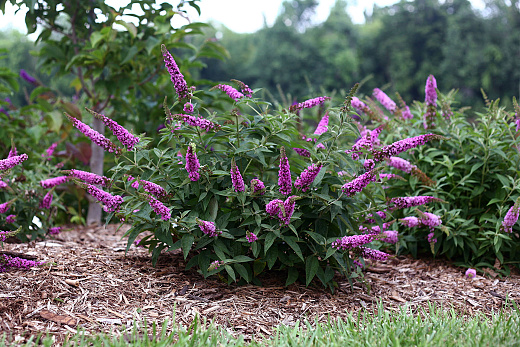
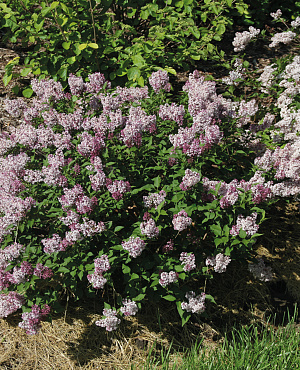
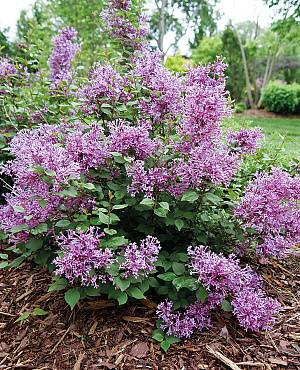
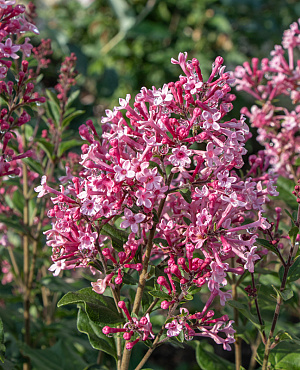
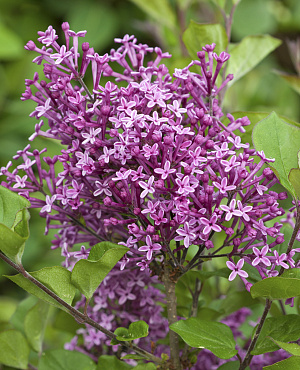
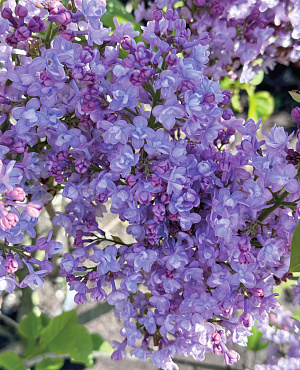
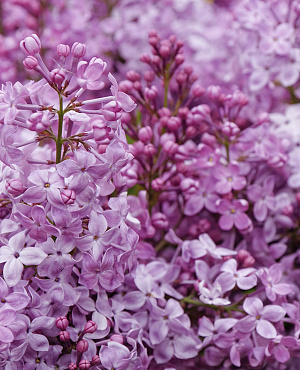
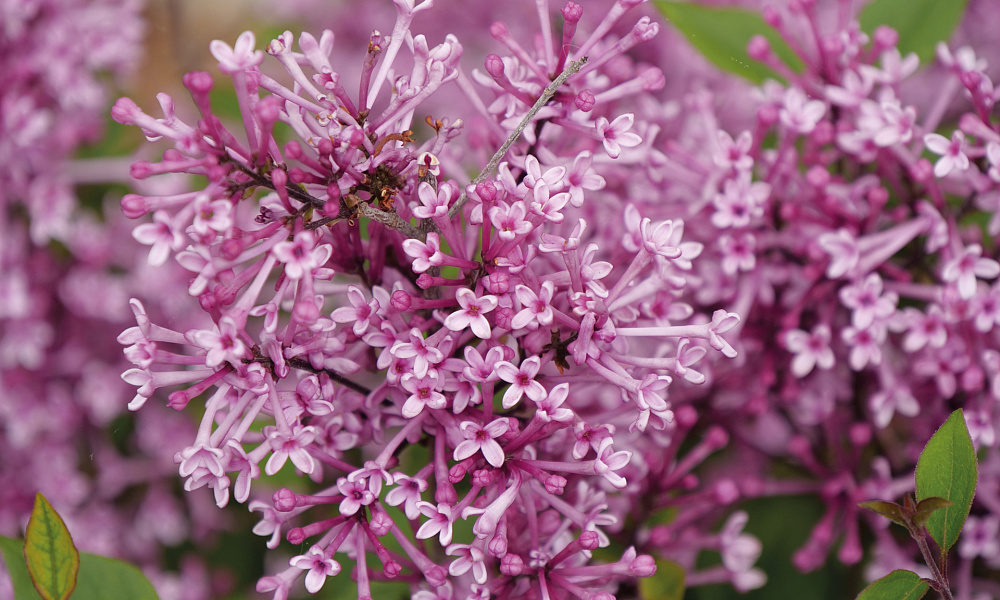
Syringa: fragrance, colour and character in one shrub
The lilac, officially known as Syringa, has been one of the most beloved spring-flowering shrubs for centuries. As soon as spring begins, large panicles full of small tubular flowers appear, filling the garden with a recognisable, sweet scent. This fragrant bloomer is not only a feast for the senses, but also a staple in garden architecture. Classic parks, rural borders and modern city gardens have all made room for the lilac, and with good reason.
What makes Syringa so special is the combination of rich spring blooms, fresh green foliage and reliable growth. Whereas traditional lilacs were sometimes large and difficult to maintain, modern selections offer new possibilities. Within the Proven Winners® range, you will find varieties that are more compact, grow more healthily and, in some cases, even flower twice a season. This makes lilacs suitable for smaller gardens or terraces, without compromising on fragrance or flowering abundance.
The right location for abundant flowering
Syringa blooms best in a sunny spot where it gets plenty of light. The more sun it gets, the richer and more intense the flowers and their fragrance will be. The shrub thrives in fertile, well-drained soil and prefers calcareous soil, although the modern Proven Winners® selections also grow well in neutral garden soil. In partial shade, the plant flowers less profusely, but remains healthy and decorative. Thanks to their hardiness down to -30 degrees, the various Syringa varieties are suitable for almost all European gardens.
Care: simplicity with great effect
A Syringa requires little maintenance, but responds well to a little attention. Pruning is best done immediately after the first flowering, so that the plant can focus its energy on developing new shoots and flower buds for the next flowering period. You can easily remove faded panicles to keep the shrub looking fresh. An annual dose of compost in the spring gives the lilac that extra boost for rich flowering and healthy growth, but is not necessary. Heavy pruning in winter is also unnecessary, as Syringa flowers on the wood that forms in summer.
The versatility of Proven Winners® selections
Proven Winners® has developed several Syringa varieties, each with its own character. Syringa Baby Kim® is a compact variety that rarely grows taller than 90 centimetres, but nevertheless blooms profusely with deep purple flowers. Perfect for small gardens or even for use in pots. Those who want to enjoy flowers for longer should choose the Bloomerang® selections, such as Bloomerang® Ballet with its soft pink panicles, Bloomerang® Dark Purple, which blooms several times per season with intense purple flowers, or its little brother Bloomerang® Tiny Purple, which only grows to a height of 60-90 cm. For lovers of a distinct fragrance, there are the Scentara® varieties. Scentara® Double Blue combines double lavender-blue flowers with a powerful perfume, while Scentara® Pura blooms in deep purple and is known for its exceptional fragrance intensity. Together, these varieties demonstrate the wide range of uses for Syringa.
Syringa in your garden!
Syringa, better known as lilac, is a classic spring bloomer that has lost none of its appeal. Thanks to Proven Winners® selections such as Baby Kim®, Bloomerang® Ballet, Bloomerang® Dark Purple, Bloomerang® Tiny Purple, Scentara® Double Blue and Scentara® Pura, the traditional lilac has been revamped and improved. Compact growth, repeat flowering and a more intense fragrance make these plants suitable for any garden, from city terraces to rural yards. This makes Syringa not only a fragrant classic, but also a modern shrub that enriches the garden year after year.
FAQ
When does Syringa flower?
Most lilacs bloom in April and May. Re-blooming varieties such as the Bloomerang® series produce flowers again in the summer.
How do I care for Syringa?
Prune immediately after flowering, remove dead flower heads and add some compost annually.
Is Syringa hardy?
Yes, Syringa is completely hardy and suitable for European climates.
Where is the best place to plant Syringa?
In a sunny spot with well-drained, fertile soil. It tolerates partial shade, but will produce fewer flowers.
Are there any compact varieties?
yes, Baby Kim® and Bloomerang® Tiny Purple remain low and are ideal for small gardens and pots.