


Sambucus
Discover Sambucus (elderberry) at Proven Winners®! This versatile shrub has beautiful finely cut leaves, light yellow flowers and red decorative berries. Easy to maintain and versatile.
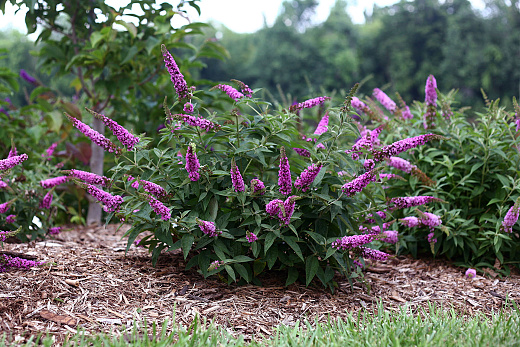

Sambucus: elderberry that makes your garden and patio shine
Sambucus, or elderberry, is an ornamental shrub that has something to offer every season. In spring, white umbellate flowers appear, followed by decorative berries in summer. Elderberry is much more than just an ordinary shrub. It is a strong, fast-growing plant that attracts bees with its blossoms and feeds birds with its berries. While wild elderberry is mainly known for its flowers and berries, ornamental elderberry has been developed for its high ornamental value. The colours and shapes of its leaves make it a modern garden plant.
Modern ornamental elderberries, such as the Proven Winners® selections, have been developed for their leaf colour and unique leaf structure that does not burn.
Lemony Lace®: playful bright yellow eye-catcher
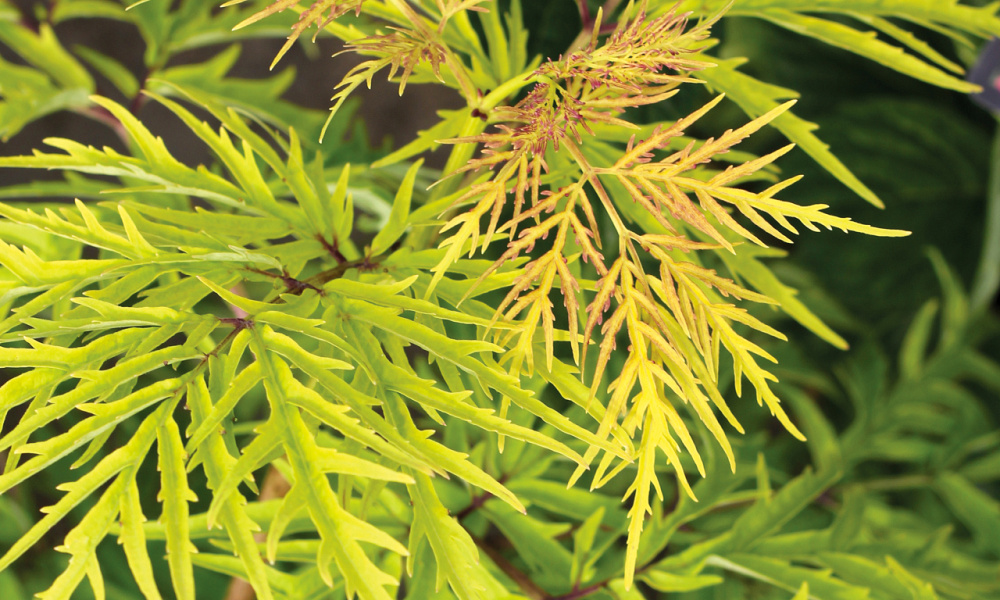
Lemony Lace® immediately stands out in the Proven Winners® range. This elderberry has beautiful, finely cut leaves that turn from fresh yellow to yellow-green from spring to autumn. In spring, creamy white flowers appear on top. In late summer, the shrub produces red berries. With its airy shape and playful appearance, Lemony Lace® fits perfectly into any garden. The variety has been developed so that the leaves do not burn and the plant tolerates full sun very well.
Where does Sambucus feel at home?
Sambucus likes a spot in the sun or partial shade. It develops the most beautiful leaf colour and flowers when it is in the sun for at least four hours a day, or even all day. The shrub prefers to grow in fertile, well-drained soil. It thrives in a variety of conditions and is fairly drought-tolerant once it has established itself.
Maintenance: simple and effective
Elderberry is a plant that requires little care. It does not usually need pruning, as it develops an irregular growth habit on its own. If you do want to prune the shrub, do so immediately after flowering to keep it compact. Occasionally remove some older branches at the base to encourage fresh shoots. In dry summers, it is advisable to give young plants some extra water, but otherwise it will thrive on its own. A little compost in the spring will ensure healthy growth and abundant flowering.
Sambucus is also very hardy (down to around –25 °C) and will simply sprout again after a cold winter.
How to use Sambucus in the garden
With its leaf colour, flowers and berries, Sambucus is very versatile. Plant it as a solitary eye-catcher or use it in a border for a playful and colourful effect. Thanks to its striking Lemony Lace® leaf colour, it looks beautiful next to dark-leaved plants or against a backdrop of evergreens. This brings contrast and life to the garden. Due to its growth habit and beautiful finely cut leaves, Lemony Lace fits easily into any garden style, but is particularly well suited to a Japanese garden, as an imitation of a maple tree.
Sambucus in your garden!
Sambucus is an elegant shrub that combines flowers, berries and leaf structure. The Proven Winners® selection Lemony Lace® takes this to a higher level with bright yellow finely cut leaves, white flowers and an airy, bushy growth habit. Perfect for those looking for a colourful, low-maintenance shrub that offers long-lasting beauty.
FAQ
What is the best location for Sambucus?
Sambucus grows best in a sunny to semi-shaded spot. The more sun the shrub gets, the more intense the leaf colour will be. Too much shade can cause the growth to become looser and the colour to turn greener. Well-drained, fertile soil helps to keep the elderberry strong and healthy.
How do I prune an ornamental elder?
Prune Sambucus lightly in early spring to keep its shape compact. Every few years, remove a few older branches completely at the base to rejuvenate the plant and stimulate fresh growth. This will keep the shrub vigorous and flowering profusely.
Are the flowers and berries of Sambucus edible?
The flowers and ripe berries of Sambucus nigra can be made into syrup or jam, but must always be heated before use. Ornamental varieties such as Lemony Lace® are primarily selected for their colour and leaf structure, not for consumption, and are therefore mainly used as ornamental plants.
How hardy is Sambucus?
Sambucus is extremely hardy and can tolerate temperatures down to -25 °C. Young shoots can sometimes freeze back slightly during late night frosts, but will simply sprout again in the spring.
Is Sambucus also suitable for smaller gardens?
Yes, definitely. Compact varieties such as Sambucus Lemony Lace® are ideal for smaller gardens, borders or city gardens. Thanks to their airy growth and bright leaf colour, they bring life and light without taking up much space.