Help, my hydrangea is getting really big!

4384 hydrangea paniculata quick fire fab smnhpm 9.1 proven winners

Help, my hydrangea is getting really big!

Hydrangeas are beautiful flowering plants, but sometimes they grow faster than expected. Don't panic! With these tips, you can keep your favourite hydrangeas compact and give them the best spot in your garden. 

A more spacious spot

Do you have space to spare? Move your hydrangea to a more spacious location. Prepare the plant by digging around the root ball a few times at the end of the growing season (September), inserting the spade into the soil about 30 cm around the outer branches. This stimulates the formation of new, compact roots, allowing it to quickly take root in its new location. Transplant it between November and February, as long as there is no frost. The plant will then be dormant and will take root more easily.

Divide it

It sounds drastic, but dividing is a tried and tested method for keeping hydrangeas compact. In early spring or late autumn, first prune the plant back to a third of its size. Then dig it up and chop the root ball into 2 or 3 pieces with a spade. Replant them in your garden or in a pot for the patio. This way, you can enjoy your favourite hydrangea twice – or even three times – as much!

A good pruning

Proven Winners hydrangeas are easy to prune back if they have grown too large for your garden. This will make them compact again and allow them to remain in place for longer. Prune in early spring, before the plant starts to sprout.

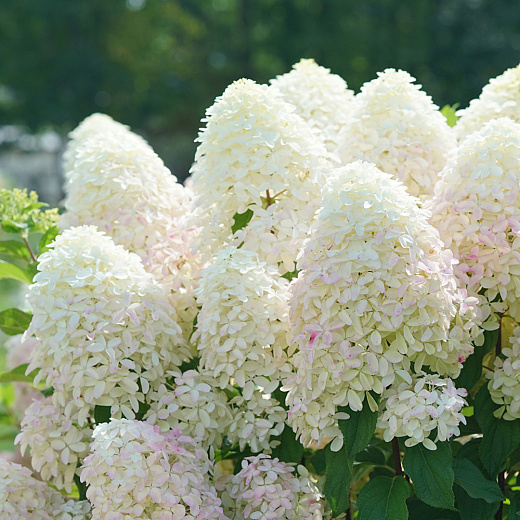
Wild hydrangeas, such as Strong Annabelle®, panicle hydrangeas, such as Quick Fire Fab®, and oakleaf hydrangeas, such as Gatsby® Moon, will grow strongly and bloom profusely in the same year. For these varieties, remove 1/3 of their height during normal pruning. However, if they become too large, you can prune them back to 1/3 of their height to make them compact again.

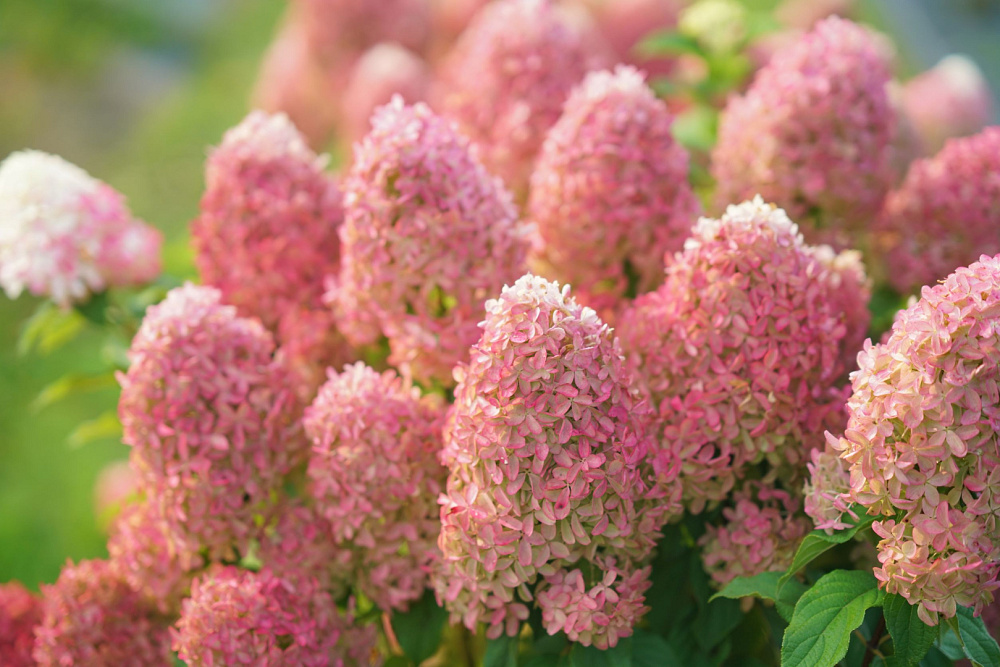
Ball hydrangeas such as Flair & Flavours® Sweet Cupcake and panicle hydrangeas such as Flair & Flavours® Strawberry ‘n Cream can also tolerate heavy pruning if they become too large. Keep in mind that they will not flower that year. The following year, they will flower all the more profusely.

A smaller replacement

Prefer a more compact hydrangea? Then choose a smaller variety, such as the panicle hydrangea Little Lime® Punch, the wild hydrangea BellaRagazza® Limetta or the panicle hydrangea Flair & Flavours® Frozen Smoothie. These compact beauties bloom just as profusely and are just as charming as their larger relatives.

Related blogs

Inspiration, Tips & tricks, Summer
The summer garden: this is how to have a feast of colours for months on end
Summer is here and that means only one thing: endlessly enjoying the beautiful flowering plants in your garden or on your balcony! You can choose from many kinds of summer flowering shrubs, in all kinds of colours and with different flowering times. With these tips, you will have colour in your garden all summer long and your plants will come through the summer in good shape.
Read more
Inspiration, Hydrangea, Pollinator friendly
The fun starts now: special varieties for the new garden season!
Winter is the ideal time to start thinking about new additions to your garden. Are you looking for something special? These special varieties certainly deserve a place on your wish list!
Read more
Inspiration, Spring
Spring flowers like no other: Chaenomeles
We get so happy with spring! Especially now that early flowering shrubs announce spring with their floral splendor. One of the first spring flowering shrubs is Chaenomeles, also known as flowering quince Already in early spring, this shrub brings an explosion of colour to your garden. With its spectacular flowers, Chaenomeles is a true eye-catcher. Be surprised by this versatile beauty!
Read more
Inspiration, Pollinator friendly
Bee and butterfly charmers: our top five hidden gems
Do you also enjoy the fluttering of butterflies and the cosy hum of bees in your garden? They are not only beautiful to see but also essential for biodiversity. To make your garden bee- and butterfly-friendly there are well-known shrubs like the butterfly bush, ivy and lavender. But there are also beautiful, lesser-known shrubs that attract many butterflies, bees and other insects. We introduce you to our five favourite, lesser-known gems.
Read more
Inspiration, Winter, Gardening tips
Prepare your garden for winter: 5 tips for a healthy and wildlife-friendly winter garden
November is the perfect month to prepare your garden for winter. With a few smart adjustments, you will not only protect your plants, but also provide a nice shelter for wildlife such as birds, hedgehogs and insects. And plant evergreen and winter flowering shrubs this month, for a garden that brings colour all year round. With these five tips, your garden will stay healthy, colourful and full of life, even in the cold winter months.
Read more
Autumn, Gardening tips
Late summer gardening tips: how to prepare your garden for autumn and spring
Late summer brings a unique atmosphere to the garden: warm days alternate with crisp mornings and the first autumn colours appear. This is the perfect time to take a moment to reflect on your garden: enjoy what is still blooming, but also look ahead. With these five gardening tips, you can give your garden a boost for now and later.
Read more