The secret of pruning unraveled

4196 aronia mel. revontuli hedger uconnam166 4 proven winners garden

Het geheim van snoeien ontrafeld

Spoiler: it's not hard at all!

Many gardeners find pruning complicated. Because when should you prune and aren’t you pruning too much or too little? In this blog we answer these questions and we can reassure you in advance: it's actually quite easy!

Is it always necessary to prune? 

Most shrubs, including those from Proven Winners®, have a naturally appealing habit and therefore do not require extensive pruning to remain healthy and beautiful. In doubt? Then don't prune. Is the shrub getting too tall or too wide, or is it hardly flowering? Then get out the pruning shears. 

Before pruning

It is good to know that there are two types of flowering shrubs: those that flower on old wood (from last year) and those that flower on new wood (this year). Shrubs that flower on old wood are best pruned immediately after flowering. Shrubs blooming on new wood should be pruned in the spring. Tip: Does the shrub bloom (well) before 21 June? Then it usually blooms on old wood. Want to know more about pruning?  Check out our explanation 'Pruning Demystified'!

Okay, scissors in!

Try to prune about a third of the branches. You can do this in two ways. Cut the entire bush back evenly or prune selected branches near the ground. You do the latter to rejuvenate the bush or to bring "air" into it. Always use sharp pruning shears and cut the branch straight, this will keep the "wound" as small as possible.  

Tell yourself, pruning is not difficult at all!


Related blogs

Inspiration, Pollinator friendly
Bee and butterfly charmers: our top five hidden gems
Do you also enjoy the fluttering of butterflies and the cosy hum of bees in your garden? They are not only beautiful to see but also essential for biodiversity. To make your garden bee- and butterfly-friendly there are well-known shrubs like the butterfly bush, ivy and lavender. But there are also beautiful, lesser-known shrubs that attract many butterflies, bees and other insects. We introduce you to our five favourite, lesser-known gems.
Read more
Inspiration, Hydrangea, Summer
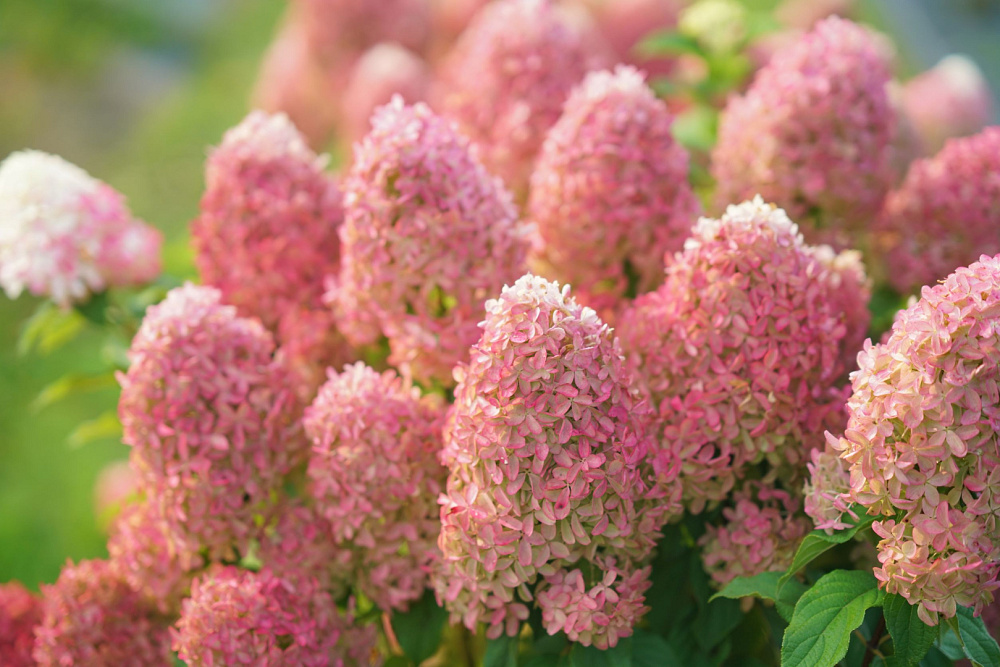
A summer flowering plant with power: the panicle hydrangea
August is the perfect time to enjoy your garden. You can be outside for a long time and admire the flowering plants with their beautiful colours from the comfort of your lazy chair. Many summer flowering shrubs are now at their peak and some get a little past that during this month. But this is certainly not the case with the panicle hydrangea, or Hydrangea paniculata. Proven Winners© paniculata only get more beautiful as summer progresses. They will set your garden on fire until autumn! Get to know this versatile summer flowering shrub.
Read more
Pollinator friendly, Summer
7 summer bloomers for a nectar paradise full of butterflies and bees
Want a garden full of colour and life? Then choose summer bloomers that are not only beautiful to look at, but also attract bees, bumblebees and butterflies. With the right shrubs, you can create a garden that buzzes with activity. These 7 Proven Winners® varieties are not only richly flowering, but also real nectar and pollen magnets.
Read more
Inspiration, Tips & tricks, Pollinator friendly
Turn your garden into a sweet shop for bees and butterflies!
Bees and butterflies are super important. Did you know that without these pollinators, there would be far fewer fruits and vegetables in the shops? So we should spoil them a bit! We will give you some ideas to make your garden bee- and butterfly-friendly and tell you which plants are real magnets for these useful insects.
Read more
Hydrangea
Help, my hydrangea is getting really big!
Hydrangeas are beautiful flowering plants, but sometimes they grow faster than expected. Don't panic! With these tips, you can keep your favourite hydrangeas compact and give them the best spot in your garden.
Read more
Inspiration, Winter, Gardening tips
Prepare your garden for winter: 5 tips for a healthy and wildlife-friendly winter garden
November is the perfect month to prepare your garden for winter. With a few smart adjustments, you will not only protect your plants, but also provide a nice shelter for wildlife such as birds, hedgehogs and insects. And plant evergreen and winter flowering shrubs this month, for a garden that brings colour all year round. With these five tips, your garden will stay healthy, colourful and full of life, even in the cold winter months.
Read more